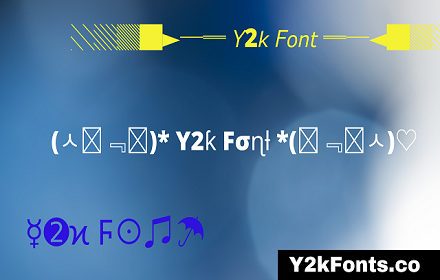
Font or typeface ➜ Different fonts
Choosing the right typeface for your writing is essential to creating an effective piece of literature. different fonts
As of May 2026, Font or typeface ➜ Different fonts has 203 users and a 3.00/5 rating from 2 reviews in the Developer Tools category.
Usersup 2.5 percent+2.5%
203
203
Ratingno change0%
3.00
2 reviews
Reviewsno change0%
2
Version
1.0
Manifest V3
History
3 snapshotsTracking since Apr 1, 2026.
View as table
| Date | Users | Rating | Reviews | Version |
|---|---|---|---|---|
| Apr 1, 2026 | 198 | 3.00 | 2 | 1.0 |
| Apr 30, 2026 | 194 | 3.00 | 2 | 1.0 |
| May 27, 2026 | 196 | 3.00 | 2 | 1.0 |
| Now | 203 | 3.00 | 2 | 1.0 |
Permissions & access
- Permissions
- None declared
- Host access
- None declared
Screenshots

About
Choosing the right typeface for your writing is essential to creating an effective piece of literature. In addition, many people are familiar with different fonts and can easily understand what you're trying to say based on the typeface you use. Therefore, there are a number of factors to consider when selecting a suitable font for your work. To help you make the best choice, this article discusses the importance of aesthetic fonts and reviews several popular options.

Aesthetic choices are essential when choosing a font for your work; otherwise, your text will appear drab and uninteresting to your reader. Choosing a typeface that's appropriate for the subject can help bring life to your writing and communicate your message clearly to your reader. Additionally, you should consider what type of tone you want to convey when choosing a font— serif or sans-serif? rounded or square?— as well as how those choices affect readability and aesthetics. Additionally, there's a wide variety of professional fonts available; however, these may not be suitable for personal use.

To achieve professional results, it's best to learn about popular fonts and use them sparingly in formal publications or on formal invitations. Your reader can quickly understand what you're trying to say based on the fonts used in your text; all it takes is access to a few typefaces commonly used by readers. For example, most readers prefer Gill Sans over Arial since the former is more elegant and sophisticated while the latter looks more businesslike and serious.

In addition, using an unfamiliar font can unsettle readers who aren't accustomed to seeing it but may be familiar with it due to its association with prominent individuals such as Steve Jobs or Nelson Mandela. While this may have been effective in conveying an individual message, using that same font in formal literature would make it appear standoffish and disconnected from everyday life. Consequently, if you plan to use an unconventional typeface in formal literature such as a biography or memoir, consider adjusting its tone so that everyone can easily relate to the characters portrayed therein.

Using the right font makes it easy for readers to understand what you're saying at first glance— they don’t need additional background information regarding their preferred typeface before beginning your work. Plus, using an unfamiliar font could upset readers who prefer certain types— depending on how unprofessional its use would appear— so it's best not to default to using obscure fonts without considering their audience first. Instead, choose one of several aesthetic fonts that will make your work easy for readers to understand at first glance and accompany by appropriate tone so that everyone can easily relate them properly.
Technical
- Version
- 1.0
- Manifest
- V3
- Size
- 69.56KiB
- Min Chrome
- 88
- Languages
- 1
- Featured
- Yes
Metadata
- ID
- nikiggpmaopeobhfnfdcacpnhhhnphdf
- Developer ID
- uec5f3ae8acf3949b20de49bc7b2905da
- Developer Email
- [email protected]
- Created
- Aug 14, 2022
- Last Updated (Store)
- Aug 14, 2022
- Last Scraped
- May 27, 2026
- Website
- y2kfonts.co
- Support URL
- —
- Privacy Policy
- —
Similar extensions
Alternatives to Font or typeface ➜ Different fonts, ranked by description similarity.

FontFinder
FontFinder is a powerful font identifier and detector for any webpage.
1.0K
★ 4.9
Fontastic - Chrome Extension
Customize and preview a wide range of font options right in your active tab for an enhanced development experience.
30
★ 5.0

What the Font
Easy font identifier for any webpage. Hover any element to see its font family in one click.
30.0K
★ 4.0

Font Inspector
Font Inspector — Instantly Identify Fonts on Any Website
760
★ 4.0

FontLens
Instantly inspect font & typography styles on any webpage.
13

What Font - find font
Lets you know what font is used on any website
7.0K
★ 3.8

FontSpot
Hover to identify fonts, click for complete typography details. Simple, fast, and works offline by AIO.com.ai
—

Typeface finder
Hover with typeface finder to look up fonts on any website. Find out typefaces fast including font and typeface details.
139
★ 4.7
Data sourced from the Chrome Web Store · last verified May 27, 2026.