
JShelter
Extension for increasing security and privacy level of the user.
As of June 2026, JShelter has 10,000 users and a 4.50/5 rating from 34 reviews in the Privacy & Security category.
Usersup 25.0 percent+25.0%
10.0K
10,000
Ratingdown 3.8 percent−3.8%
4.50
34 reviews
Reviewsup 9.7 percent+9.7%
34
Version
0.23.1
Manifest V3
90-day change · In the last 90 days this extension gained 2.0K users, 4 version updates, changed permissions.
History
7 snapshotsTracking since Apr 21, 2026.
View as table
| Date | Users | Rating | Reviews | Version |
|---|---|---|---|---|
| Apr 21, 2026 | 8.0K | 4.68 | 31 | 0.21 |
| May 6, 2026 | 10.0K | 4.56 | 32 | 0.22 |
| May 10, 2026 | 10.0K | 4.58 | 33 | 0.22 |
| May 22, 2026 | 10.0K | 4.47 | 34 | 0.22 |
| Jun 5, 2026 | 10.0K | 4.47 | 34 | 0.22.1 |
| Jun 9, 2026 | 10.0K | 4.47 | 34 | 0.23 |
| Jun 18, 2026 | 10.0K | 4.47 | 34 | 0.23.1 |
| Now | 10.0K | 4.50 | 34 | 0.23.1 |
Changelog
- Jun 5, 2026description
What is JShelter?

JShelter is a browser extension to give back control over what your browser is doing. A JavaScript-enabled web page can access much of the browser's functionality, with little control over this process available to the user: malicious websites can uniquely identify you through fingerprinting and use other tactics for tracking your activity. JShelter aims to improve the privacy and security of your web browsing.

How does it work?

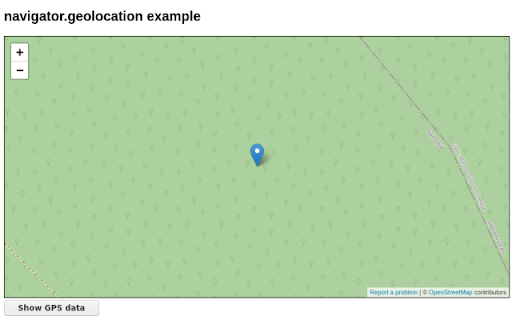
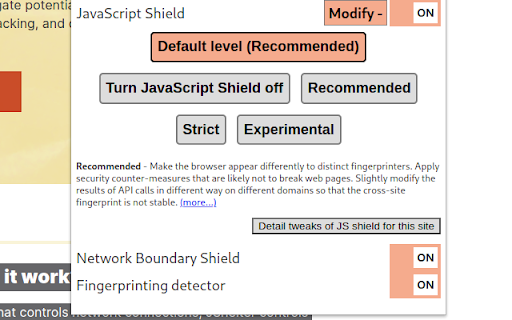
Like a firewall that controls network connections, JShelter controls the APIs provided by the browser, restricting the data that they gather and send out to websites. JShelter adds a safety layer that allows the user to choose if a certain action should be forbidden on a site, or if it should be allowed with restrictions, such as reducing the precision of geolocation to the city area. This layer can also aid as a countermeasure against attacks targeting the browser, operating system or hardware.

Please see the FAQ (https://jshelter.org/faq/) and our blog (https://jshelter.org/blog/) for more information about the extension.

What is the threat model?

https://jshelter.org/threatmodel/

Can I read a paper about the extension?

Yes, see https://arxiv.org/abs/2204.01392

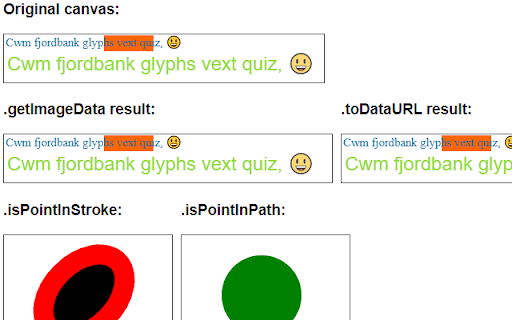
Note that JShelter can also be used to learn the origin of the calls for JavaScript APIs that are often misused for browser fingerprinting with Fingerprint Detector report. The detected calls in a web page can be exported as JSON.
What is JShelter?

JShelter is a browser extension to give back control over what your browser is doing. A JavaScript-enabled web page can access much of the browser's functionality, with little control over this process available to the user: malicious websites can uniquely identify you through fingerprinting and use other tactics for tracking your activity. JShelter aims to improve the privacy and security of your web browsing.

How does it work?

Similarly to a firewall that controls network connections, JShelter controls the APIs provided by the browser, restricting the data that javascript code executed on visited web pages can see, gather, and possibly misuse. JShelter adds a safety layer that allows the user to choose if a certain APIs should be forbidden on a site, or if it should be allowed with restrictions, such as reducing the precision of geolocation to the city area. This layer can also aid as a countermeasure against attacks targeting the browser, operating system or hardware.

Please see the FAQ (https://jshelter.org/faq/) and our blog (https://jshelter.org/blog/) for more information about the extension.

What is the threat model?

https://jshelter.org/threatmodel/

Can I read a paper about the extension?

Yes, see https://arxiv.org/abs/2204.01392

Note that JShelter can also be used to learn the origin of the calls for JavaScript APIs that are often misused for browser fingerprinting with Fingerprint Detector report. The detected calls in a web page can be exported as JSON.
- Jun 5, 2026permissions
storage, tabs, webRequest, declarativeNetRequest, webNavigation, notifications, scripting, userScripts
storage, tabs, webRequest, declarativeNetRequest, webNavigation, notifications, scripting
Permissions & access
- Permissions
- storagetabswebRequestdeclarativeNetRequestwebNavigationnotificationsscripting
- Host access
- <all_urls>
Screenshots


About
What is JShelter?

JShelter is a browser extension to give back control over what your browser is doing. A JavaScript-enabled web page can access much of the browser's functionality, with little control over this process available to the user: malicious websites can uniquely identify you through fingerprinting and use other tactics for tracking your activity. JShelter aims to improve the privacy and security of your web browsing.

How does it work?

Similarly to a firewall that controls network connections, JShelter controls the APIs provided by the browser, restricting the data that javascript code executed on visited web pages can see, gather, and possibly misuse. JShelter adds a safety layer that allows the user to choose if a certain APIs should be forbidden on a site, or if it should be allowed with restrictions, such as reducing the precision of geolocation to the city area. This layer can also aid as a countermeasure against attacks targeting the browser, operating system or hardware.

Please see the FAQ (https://jshelter.org/faq/) and our blog (https://jshelter.org/blog/) for more information about the extension.

What is the threat model?

https://jshelter.org/threatmodel/

Can I read a paper about the extension?

Yes, see https://arxiv.org/abs/2204.01392

Note that JShelter can also be used to learn the origin of the calls for JavaScript APIs that are often misused for browser fingerprinting with Fingerprint Detector report. The detected calls in a web page can be exported as JSON.
Technical
- Version
- 0.23.1
- Manifest
- V3
- Size
- 518KiB
- Min Chrome
- 120
- Languages
- 7
- Featured
- Yes
Metadata
- ID
- ammoloihpcbognfddfjcljgembpibcmb
- Developer ID
- uef1ce71b95200274503e7f426dd324f0
- Developer Email
- [email protected]
- Created
- Mar 3, 2019
- Last Updated (Store)
- Jun 9, 2026
- Last Scraped
- Jun 18, 2026
- Website
- —
- Privacy Policy
- —
Similar extensions
Alternatives to JShelter, ranked by description similarity.

ExtShield – Extension Security Scanner
Review installed extensions to understand permissions, access scope, and privacy exposure.
17
★ 5.0

SmartShield
AI-powered phishing protection for your browser
12
★ 5.0

threatxtension
Real-time OSINT & threat-intel overlay with URL analysis
5

Link Reveal
Reveal Anchor Tag URLs
58
★ 5.0

Canvas Fingerprint Detector
Detects and reports canvas fingerprinting attempts with enhanced detection methods
—
★ 5.0

Cyben Ares
Browser security extension with domain verification, phishing detection, and sensitive data protection
4

Browser Leaks Fingerprint Shield
Protect your browser from fingerprint tracking and data leaks. Spoof canvas, WebGL, audio, and more.
244

ShieldF
ShieldF reduces user fingerprinting when browsing by misinforming OS, browser and hardware attributes/properties of the device
30
Data sourced from the Chrome Web Store · last verified Jun 18, 2026.